


In this one-off interactive, gamified workshop, we’ll simulate real-world work scenarios at your organisation via a board game, helping you identify and eliminate bottlenecks, inefficient processes, and unhelpful feedback loops.
Workshop Details



Product teams spent ten years learning that shipping more isn't the same as mattering. AI made them forget it in one.
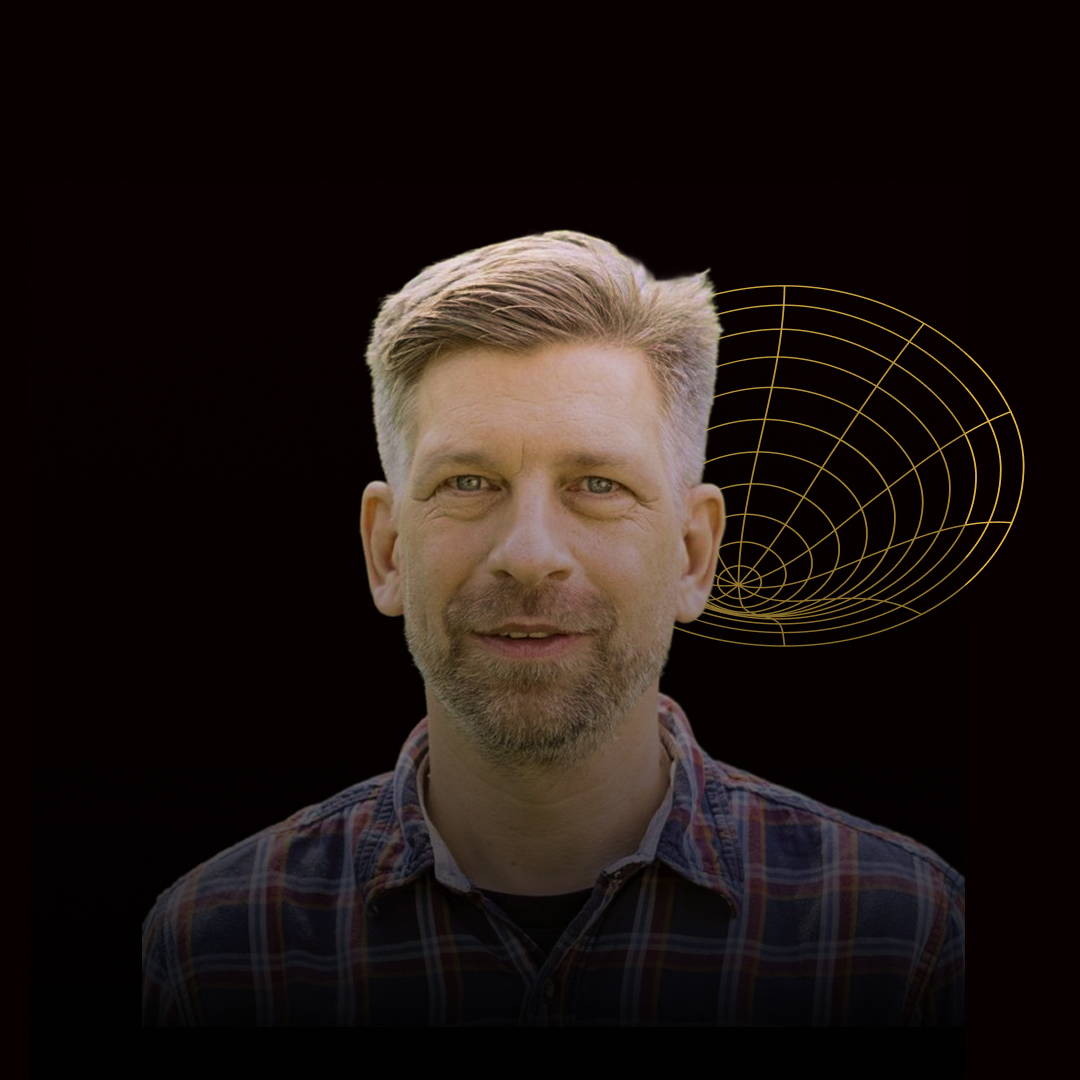
Matt LeMay has watched product management argue with itself for fifteen years. Specialist or generalist. Output or outcome. Feature factory or discovery-driven team. He thought the discipline had settled the important ones. Then AI made shipping nearly free, and teams that should know better started bragging about token consumption. In this episode, Matt and Ben dig into why the discipline regressed so fast, and what it costs.
Matt's core argument comes from his book Impact-first Product Teams: low-impact work is not harmless. Teams under pressure gravitate toward work with few dependencies and little scrutiny, work that never touches the commercial core of the business, because touching the core summons the CFO. Each of these safe little features feels like it does no harm. But every one of them raises the coordination cost of doing impactful work later. Matt's analogy: rhinestones on a car. Individually decorative. Collectively, the hood is glued shut and you can't reach the engine. AI doesn't fix this. It puts the rhinestone application on a conveyor belt, and the real cost was never the tokens. It's the 10x more complicated codebase full of 10x more low-impact features.
The conversation also goes somewhere most AI debates don't: friction. Matt calls AI an incredible friction reduction machine, and that's precisely the problem, because friction is where understanding is made. Meaning is created by writer and reader together. If an LLM summarizes the book for you, you didn't understand the book. If your discovery process is Claude offering to write the interview guide, then the survey, then the graphs, then the deck, and you saying yes five times, you performed discovery without learning anything. Ben calls it what it is: discovery theatre. Matt backs it with a story from his work with tech ethnographer Tricia Wang, where a survey full of "moderately agree" answers turned out to be a culturally polite way of diagnosing real problems. That signal lives outside every training dataset. You only catch it by pausing at the friction.
It's not a doom episode. Matt is collecting what he calls Impact-first AI Stories, and shares his favorite: MailChimp's AI subject line helper, built by Chelsea Bullock's team back in 2019. Qualitative research showed users didn't trust the platform to write their subject lines. They trusted it to know best practices. So the team reframed the feature from "magic rewriting" to checking your line against what the data says converts. Trust, as Saielle DaSilva put it in a talk Matt still quotes, is a feeling. The teams that win with AI are the ones that figure out where they've earned it.
Matt LeMay is a product management consultant, advisor, and coach based in London, with a career spanning Songza (acquired by Google), Bitly, and advisory work for companies like Spotify and MailChimp. He is the author of Product Management in Practice, Agile for Everybody, and most recently Impact-first Product Teams. He is also a musician, which explains why he talks about product work the way most people talk about songwriting.
Find the Stellar Work Podcast on Spotify, Apple Podcasts, YouTube, and more.
For weekly essays on transformation, flow, and AI in knowledge work, join the Stellar Work newsletter.
The Stellar Work Podcast is hosted by Ben, founder of Stellar Work. Conversations with the people shaping how work actually gets done.


Not Sure Where to Start?
In this one-off interactive, gamified workshop, we’ll simulate real-world work scenarios at your organisation via a board game, helping you identify and eliminate bottlenecks, inefficient processes, and unhelpful feedback loops.
Workshop Details