




In this one-off interactive, gamified workshop, we’ll simulate real-world work scenarios at your organisation via a board game, helping you identify and eliminate bottlenecks, inefficient processes, and unhelpful feedback loops.
Workshop Details


Your AI agent can only work with the context you give it, and most organizations have barely looked at that context.
Brian Houck has spent two decades studying what makes software engineers productive, from AI tools to office plants to how much sleep people get. His latest work asks a question he couldn't find an answer to: what makes context good? The industry pours money into models and harnesses. The information we hand our agents gets far less scrutiny.
The idea started in a coffee shop. Brian's boss at DX, Abi Noda, asked him what he knew about measuring context health. Brian realized he didn't know, and that he couldn't find anyone who had written it down. The result is CAFE(S), published in ACM Queue with Margaret-Anne Storey, Max Kanat-Alexander, Eirini Kalliamvakou and Nicole Forsgren.
Brian sees AI as an accelerant. Where engineering systems were solid, teams move faster. Where they were weak, AI adds pain. Documentation is the obvious example: in his research earlier this year, 88% of software engineers said they regularly lose time to out-of-date docs. Humans could work around that by asking a colleague. An agent tends to guess, confidently and at scale.
“AI is not introducing new problems, it is amplifying existing problems.”
From there the conversation moves to token costs, the productivity-experience paradox, and what organizations can do with years of context scattered across Slack, Zoom transcripts and documents. Brian's answer borrows from how the industry learned to manage code: central repositories, clear ownership, versioning, review, and limits on where agents are allowed to look. It closes with the lowest-effort productivity fix he knows, and it has nothing to do with AI.
Good context has five durable properties. Clarity (can the agent interpret it as intended), actionability (is there a definition of done), fidelity (is it still true), efficiency (is it relevant and nothing more), and security (should the agent have it at all).
Fidelity decays. Something true when it was written starts going stale right away, so context needs maintenance like any other system.
Prompts, skill files and shared context are engineering artifacts. Review them like code, give them owners, and keep them in central repositories.
Leaders have to reward context work. Otherwise engineers will treat it as a tax on top of delivery.
Blocking daily focus time on the calendar is still the easiest productivity win for an engineering team, AI or no AI.
“We have to start treating context as first-class engineering artifacts.”
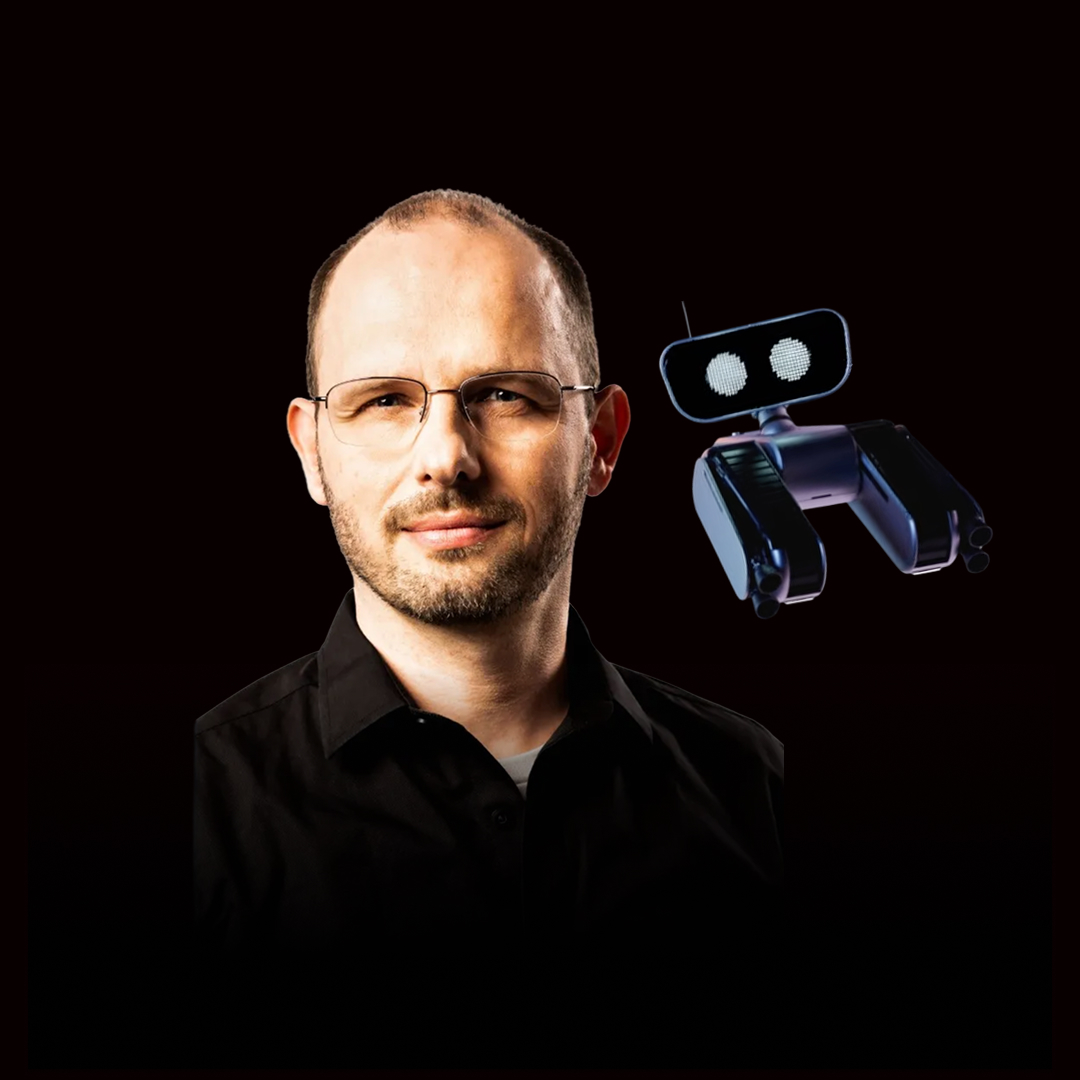
Brian Houck is a Distinguished Scientist at DX, where he leads original research on developer productivity. Before DX he spent about 20 years at Microsoft and led research for EngThrive, its initiative to measure and improve developer experience across more than 50,000 engineers. He co-authored the SPACE framework and has published more than 15 peer-reviewed papers. His newest is CAFE(S): Your Agent Is Only as Good as Its Context.
CAFE(S): Your Agent Is Only as Good as Its Context (ACM Queue)
Margaret-Anne Storey: From Technical Debt to Cognitive and Intent Debt
Annie Vella and Kelly Blincoe: The Impact of AI Coding Assistants on Software Engineering
Find the Stellar Work Podcast on Spotify, Apple Podcasts, YouTube, and more.
For weekly essays on transformation, flow, and AI in knowledge work, join the Stellar Work newsletter.
The Stellar Work Podcast is hosted by Ben, founder of Stellar Work. Conversations with the people shaping how work actually gets done.


Not Sure Where to Start?
In this one-off interactive, gamified workshop, we’ll simulate real-world work scenarios at your organisation via a board game, helping you identify and eliminate bottlenecks, inefficient processes, and unhelpful feedback loops.
Workshop Details


