Building an AI software factory is easy. Scaling one is where most companies get stuck.
Zohar Einy has watched plenty of companies try. As co-founder and CEO of Port, he works with engineering organizations that look at Uber and the frontier labs and want the same thing: tickets in, production code out. The demos look great. Then thousands of tickets, tens of thousands of developers, and a pile of ungoverned skills show up. We recorded this one in San Francisco.
About this episode
Zohar starts with the bottleneck that brought Port's founders together. As one of around 2,000 developers, he had to file a ticket and wait whenever he needed a cloud resource from a 20-person DevOps team. His later co-founder built an internal platform to fix that, and the idea of platform engineering followed: give developers autonomy without making each of them a Kubernetes, CI/CD, and observability expert.
With AI, that cognitive load mostly disappears. Zohar's view is that half of platform engineering used to be developer experience and half was standardization, and with agents doing the work it becomes almost all standardization. Agents need the right context, tools, and certified skills, and they shouldn't be connected to everything and left to run. Port's research group tested this: agents working from a unified context graph used up to 80% fewer tokens than agents reasoning across scattered MCP servers, trying to figure out whether Confluence or Slack knows who owns a microservice.
We spent a good part of the conversation on how Port changed itself. A year and a half ago, with 200 employees and enterprise customers like PwC and GitHub, Zohar stopped everything and took the company back to the drawing board for two weeks. Everyone agreed on the new direction. Getting there fast was the hard part, so Port set up a small parallel company with one person from each department, mostly early employees who carried the most context, and grew it from there. Today around 70% of Port's own tickets go to AI, including incident handling, and the on-call engineer mostly approves decisions from bed.
Key takeaways
Start with the context layer. If you build your own factory, design the context lake first. Wiring agents together and having them open PRs is the cherry on top.
Define your language. Anything describing your engineering semantics (services, deployments, environments, ownership) goes into the context graph. Unstructured, undefined data stays reachable through MCP as a fallback.
Scale exposes the boring problems. Governance, security, skill ownership, and change management decide whether a factory works across thousands of tickets.
Change direction with a small team. Port moved 200 people by first moving a handful of early employees, one per department.
The bottleneck moves to product. When a feature ships within hours of the idea, deciding what to ask the factory for becomes the hard part.
"No matter how smart the agent is, if you don't explain your language and you don't give it high quality data, they will get lost."
"Now it's so easy, you can end up with a pile of features very quickly. So you need to think very, very deeply on what you ask the factory."
About the guest
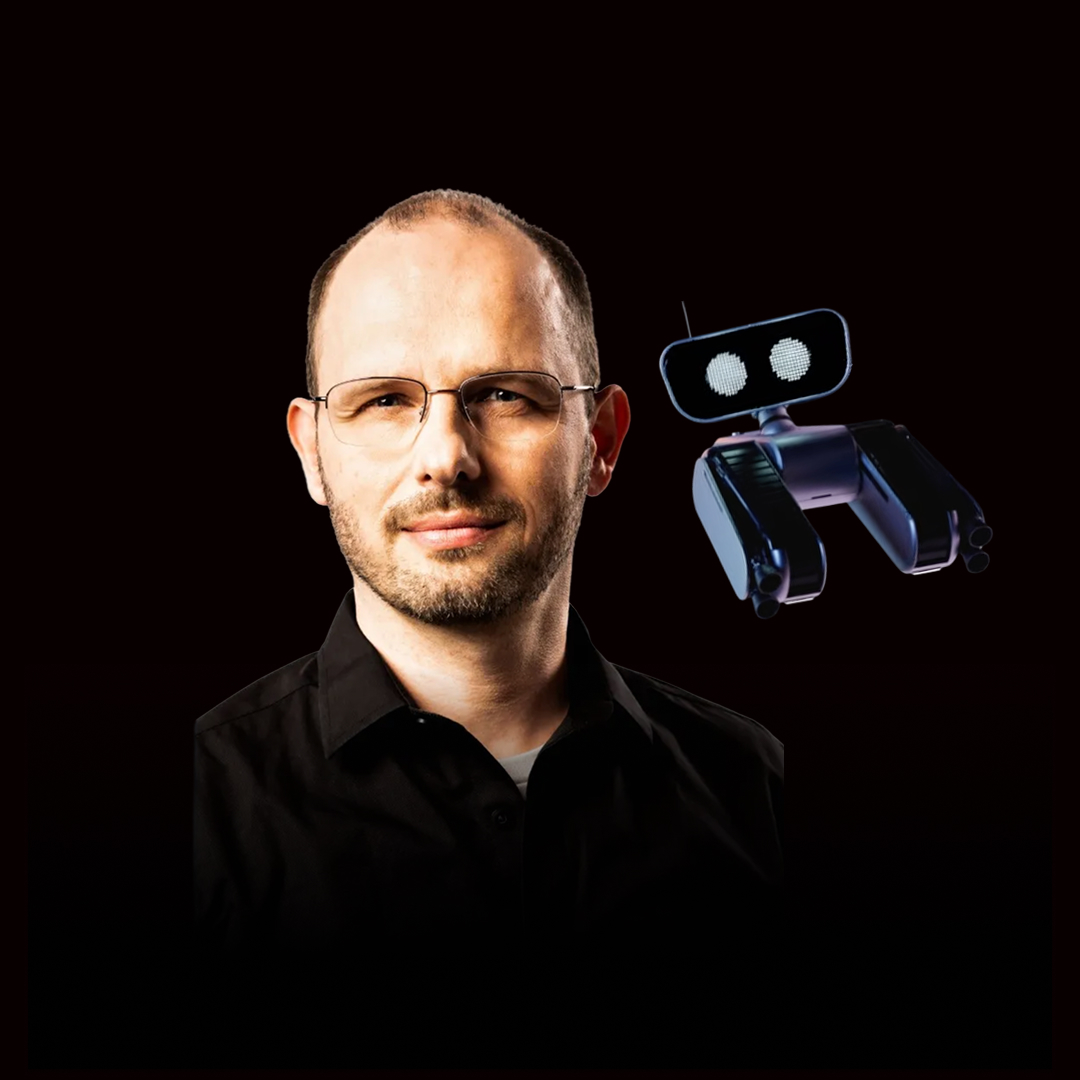
Zohar Einy is co-founder and CEO of Port, an agentic engineering platform that gives companies the context lake, agent registry, skill management, guardrails, and measurement to run an AI software factory. He began as a developer and security researcher, worked on the investor side at a venture firm, and joined several startups before founding Port. He splits his time between Tel Aviv, San Francisco, London, Austin, and Boston.
Resources mentioned
Zohar Einy on LinkedIn
Port
Port Context Lake
Research: How we cut AI costs by 80%
Inside the software factory: Uber
Only the Paranoid Survive by Andy Grove
Listen & subscribe
Find the Stellar Work Podcast on Spotify, Apple Podcasts, YouTube, and more.
For weekly essays on transformation, flow, and AI in knowledge work, join the Stellar Work newsletter.
The Stellar Work Podcast is hosted by Ben, founder of Stellar Work. Conversations with the people shaping how work actually gets done.